


Visual Video Verification Alarm Monitoring Services - AlarmClub Security®
▼ Video Verification Alarm Monitoring Services ▼


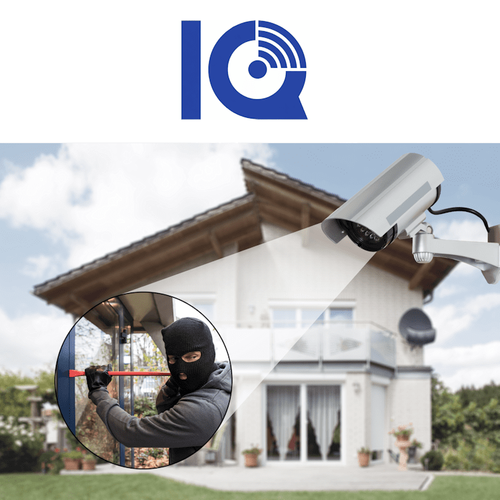


 |
Non Video Verification Alarm Monitoring |
Video Verification Alarm Monitoring |
| Detection Method | Sensors only (motion, door/window, glass break) | Sensors + integrated video cameras |
| Alarm Trigger | Signal sent when a sensor is tripped | Alarm + automatic video clip or live feed sent |
| Verification Process | No visual confirmation (relies on signals only) | Visual confirmation via video before dispatch |
| Situational Awareness | Limited - no insight into what caused the alarm | Full visibility of the event in real time |
| False Alarm Rate | Higher due to lack of verification | Significantly reduced with video confirmation |
| Emergency Dispatch | Based on unverified signal | Based on confirmed threat with video evidence |
| Police Response Priority | Often lower priority due to false alarm rates | Higher priority when visually verified |
| Response Speed | Can be delayed due to uncertainty | Faster, more accurate response with verified information |
| Evidence Provided | None (alarm signal only) | Video evidence of incident for authorities |
| Security Approach | Reactive - alerts after event occurs | Proactive - can detect and verify threats in real time |
| User Experience | Basic alerts (calls/texts) | Alerts + video clips + live viewing |
| System Capability | Basic intrusion detection | Advanced detection, verification, and intelligence |
| Best For | Basic security needs, lower-risk environments | Higher security needs, businesses, or critical assets |
What is Video Verification?
Priority Visual Response
for Rapid Response Times!
AlarmClub's visual video verification alarm monitoring services offer an advanced layer of security by integrating video technology with traditional alarm systems. This service allows for real-time video footage to be captured and reviewed when an alarm is triggered, providing a clearer picture of the situation. The integration of video verification helps to reduce false alarms, which are a common issue with standard alarm systems. When an alarm is activated, the AlarmClub 24/7 monitoring center can quickly assess the video footage to determine if there is a genuine threat, such as a break-in or other criminal activity. This immediate verification process not only enhances security but also provides peace of mind to business and property owners, knowing that their premises are being monitored with accuracy.A key component of AlarmClub's visual video verification service is the Priority Response process, which has been adopted by law enforcement and dispatch teams. This process treats video-verified alarms as crimes in progress, prompting an immediate response from police. When an alarm is verified through video footage, it is given higher priority over non-verified alarms, ensuring that law enforcement is dispatched to the scene without delay. This rapid response can be crucial in preventing potential losses and apprehending suspects. By utilizing video verification, AlarmClub not only enhances the effectiveness of alarm monitoring but also strengthens collaboration with local authorities, ultimately leading to a safer environment for businesses and communities.
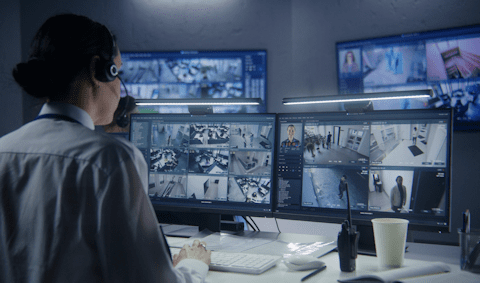
General Steps for Video Verification?

- An alarm is activated (motion, door/window sensor, glass break, etc.)
- The system flags it as a potential intrusion
Step 2: Video Clip or Live Feed is Captured
- The system automatically records a short video clip or A monitoring agent accesses a live camera feed
Step 3: Transmission to Monitoring Center
- Video is securely sent to the AlarmClub central station (and cloud platform)
- Often happens within seconds of the trigger
Step 4: Operator Review
- A trained AlarmClub operator reviews the footage in real time
- They determine:
-Is there a person present?
-Is it a false alarm (pet, shadow, etc.)?
-Is there suspicious or criminal activity?
Step 5: Verification Decision
Typically falls into one of three categories:
- Verified alarm (clear human presence / intrusion)
- False alarm (no threat detected)
- Undetermined (unclear footage)
Step 6: Response Action
Based on the determination:
- Verified alarm → Priority dispatch
- Police are contacted with "video verified" status (often higher priority)
- False alarm → No dispatch
- Undetermined → Follow protocol
-May call the user first or dispatch normally
Step 7: User Notification
Customer receives:
- App alert (video clip + status)
- Call/text/email depending on setup
Step 8: Event Logging & Storage
- Footage and actions are logged
- Stored for later review, compliance, or evidence


